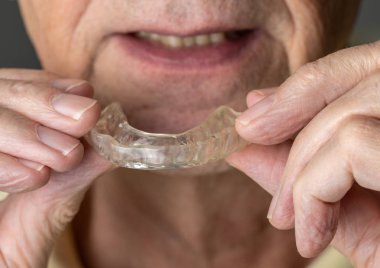
Braces may create a smile, but retainers help protect it.
After months or years of orthodontic treatment, getting braces off or finishing clear aligners is an exciting milestone. Teeth look straighter, the smile feels different, and it can feel like the hard part is over.
But orthodontic care does not end the day active treatment is complete.
Once teeth have moved into new positions, they still need support to stay there. Retainers after braces help to maintain orthodontic results and reduce the chance of teeth shifting over time. Without consistent retainer wear, teeth can slowly move, crowding can return, spacing can reopen, and the bite may begin to change.
The good news is that protecting your smile does not have to be complicated. With the right retainer habits, patients can help preserve the results they worked so hard to achieve.
Why Teeth Can Shift After Braces
Teeth are not permanently locked in place after braces or aligners.
During orthodontic treatment, gentle pressure moves the teeth through the bone into healthier, more aligned positions. After treatment, the surrounding bone, gums, and fibers need time to adapt to those new positions.
That is one reason retainers are so important. As Foundations’ internal education materials note, retainers help keep teeth from shifting back after treatment.
Teeth may shift for several reasons, including:
• Natural aging
• Growth and jaw changes
• Bite pressure
• Gum and bone changes
• Inconsistent retainer wear
• Lost or broken retainers
• Teeth grinding or clenching
• Wisdom teeth or other dental changes
Some movement over time is natural, but retainers help reduce unwanted shifting and protect the alignment created during treatment.
Retainers After Braces Protect Your Orthodontic Results
Retainers are designed to hold teeth in their new positions after braces or aligners.
They may seem like a small part of treatment, but they play a big role in long-term stability. Foundations’ previous blog content notes that retainers are essential to maintaining orthodontic results, especially because teeth have memory and the surrounding bone and fibers need time to adapt.
Wearing retainers as directed can help:
• Maintain tooth alignment
• Protect against crowding or spacing returning
• Support bite stability
• Preserve the results of braces or aligners
• Reduce the need for future retreatment
• Keep your smile looking and functioning its best
Think of retainers as the maintenance phase of orthodontic care. Braces or aligners move the teeth. Retainers help keep them there.
How Long Do You Need to Wear a Retainer?
Every patient is different, so retainer instructions can vary.
Some patients may be told to wear retainers full-time at first before transitioning to nighttime wear. Others may have different instructions depending on their treatment plan, bite, age, growth, and long-term stability needs.
The most important rule is to follow the instructions given by your orthodontic team.
If you are unsure how often you should be wearing your retainer, it is better to ask than to guess. Wearing retainers inconsistently can allow teeth to shift, and once movement happens, the retainer may no longer fit properly.
Different Types of Retainers
There are different types of retainers, and your orthodontic team will recommend the option that fits your needs.
Common retainer types include:
• Clear removable retainers
• Hawley retainers with acrylic and wire
• Fixed or bonded retainers placed behind the teeth
Each type has its own benefits. Some are removable, while others stay attached to the teeth. Some patients may have one type of retainer, while others may have a combination.
No matter which type is recommended, the goal is the same: to help maintain the position of the teeth after treatment.
How to Care for Your Retainer
Retainers need regular care, just like teeth do.
Because retainers sit in the mouth, they can collect plaque, bacteria, saliva, and food particles. Foundations’ July social content notes that retainers collect plaque and bacteria just like teeth. Cleaning them regularly helps keep them fresh, comfortable, and safe to wear.
A few retainer care tips:
• Rinse your retainer when you take it out
• Brush it gently as directed by your orthodontic team
• Keep it away from hot water, which may warp some retainers
• Store it in its case when not in use
• Do not wrap it in a napkin
• Keep it away from pets
• Bring it to orthodontic visits if asked
• Call the office if it cracks, breaks, or no longer fits
The key is consistency. Wear it as directed, keep it clean, and store it safely.
Do Not Wrap Your Retainer in a Napkin
This is one of the most common ways retainers get lost.
A retainer wrapped in a napkin can easily be mistaken for trash and thrown away after lunch, dinner, or a quick snack. That is why patients should always use their retainer case.
A retainer case protects the appliance from being lost, broken, or accidentally thrown away. It is especially helpful during school, sports, travel, restaurants, and summer activities.
A simple habit can save a lot of stress: if the retainer is not in your mouth, it should be in its case.
What to Do If Your Retainer Feels Tight
A tight retainer may be a sign that the teeth have shifted slightly.
If the retainer still fits fully and comfortably, your orthodontic team may recommend wearing it more consistently. But if it feels painful, does not seat all the way, or no longer fits correctly, do not force it.
Forcing a retainer into place can cause discomfort or damage the retainer.
If something feels off, contact the orthodontic office for guidance. The team can help determine whether the retainer still fits, whether a new one is needed, or whether the teeth have shifted enough to require another evaluation.
What to Do If Your Retainer Is Lost or Broken
If a retainer is lost or broken, do not wait too long to call.
Teeth can begin shifting when retainers are not worn, and the longer a patient goes without one, the more likely it is that the teeth may move. Calling the office early can help prevent a small issue from becoming a bigger one.
If your retainer is lost, broken, cracked, warped, or no longer fits, contact your orthodontic team and ask what to do next.
You may need:
• A replacement retainer
• A new scan or impression
• A retainer adjustment
• An orthodontic check-in
• An evaluation to see whether shifting has occurred
A quick call can help protect your smile and give you the next best step.
Retainers and Long-Term Orthodontic Health
Retainers are important, but long-term orthodontic success is about more than just holding teeth in place.
At Foundations Orthodontics, treatment is not planned only for the day braces come off. It is planned with long-term health in mind. Foundations’ internal blog materials note that orthodontic treatment should be planned for long-term health, looking beyond alignment and evaluating the bigger picture.
That means considering how the teeth, bite, jaw, airway, and function work together over time.
Retainers help protect the final result, but a stable result starts with thoughtful treatment planning from the beginning.
Make Retainer Wear Part of Your Routine
The easiest way to wear your retainer consistently is to make it part of your daily routine.
Helpful habits include:
• Keeping the retainer case in the same place
• Wearing retainers at the same time each day or night
• Cleaning them as part of brushing and flossing routines
• Packing the case for travel
• Bringing retainers to check-in appointments if needed
• Replacing retainers when they are damaged or worn
For kids and teens, parents can help by building reminders into bedtime routines, school bags, travel packing lists, and sports schedules.
Good retainer habits protect the time, effort, and investment that went into orthodontic treatment.
International Retainer Day Is a Good Reminder
International Retainer Day is July 19, making mid-July the perfect time to check in on your retainer routine.
Ask yourself:
• Am I wearing my retainer as directed?
• Is my retainer clean?
• Is it stored safely in its case?
• Does it still fit comfortably?
• Is it cracked, warped, or damaged?
• Do I need to schedule a retainer check?
If you are not sure whether your retainer still fits the way it should, an orthodontic check-in can help.
Frequently Asked Questions:
Do I really need to wear a retainer after braces?
Short answer: Yes, retainers help keep teeth from shifting after braces or aligners.
Explanation: Teeth can naturally move over time, especially after orthodontic treatment. Retainers help maintain the results created by braces or aligners.
Why do teeth shift after braces?
Short answer: Teeth can shift because the surrounding bone, gums, and fibers need time to adapt after treatment.
Explanation: Teeth also respond to natural aging, bite pressure, growth, and daily habits. Retainers help reduce unwanted movement.
How long do I have to wear my retainer?
Short answer: Follow the instructions from your orthodontic team.
Explanation: Retainer wear varies by patient. Some patients may wear retainers full-time at first before transitioning to nighttime wear, while others may receive different instructions based on their needs.
What happens if I stop wearing my retainer?
Short answer: Your teeth may begin to shift.
Explanation: Without retainer wear, crowding, spacing, or bite changes can return over time. If your retainer feels tight or no longer fits, contact your orthodontic office.
How should I clean my retainer?
Short answer: Clean it regularly and follow your orthodontic team’s instructions.
Explanation: Retainers can collect plaque and bacteria, so they should be rinsed and cleaned consistently. Avoid hot water unless your orthodontic team says otherwise, because heat can warp some retainers.
What should I do if I lose my retainer?
Short answer: Call your orthodontic office as soon as possible.
Explanation: Teeth can shift when retainers are not worn. Your orthodontic team can let you know whether you need a replacement, a new scan, or a check-in appointment.
What should I do if my retainer no longer fits?
Short answer: Do not force it. Contact your orthodontic office for guidance.
Explanation: A retainer that no longer fits may mean the teeth have shifted or the retainer has warped. The office can help determine the next step.
Protect the Smile You Worked For
Getting braces off or finishing aligners is a major milestone, but keeping your results depends on what happens next.
Retainers help protect your smile, support long-term stability, and reduce the chance of teeth shifting over time. With consistent wear, regular cleaning, safe storage, and quick action if something is lost or broken, patients can help maintain the results they worked hard to achieve.
At Foundations Orthodontics, we help patients build healthy, confident smiles with personalized care that supports alignment, bite, function, and long-term health.
Learn more about retainers and schedule your retainer check with Foundations Orthodontics: https://foundations-orthodontics.com/services/centennial-retainers/